
From Odor Complaints to Child Safety: Cannabis Packaging Bag Solutions
A dispensary complaint log usually sorts into three piles: customers who say the pouch smells before it is even opened, staff who found a bag a young child had nearly opened, and buyers who return flower that has gone dry inside a sealed pack. Each complaint looks like a product problem. All three are packaging problems, and they share one fix.
Odor leakage, child access and moisture loss are governed by three different parts of the same bag: the film barrier, the closure, and the seal. A specification that answers only one of them keeps generating the other two complaints. This article follows the complaint-to-specification path for cannabis packaging bags, using the CHITAI cannabis mylar bag range from Dongguan Chitai Packaging Products Co., Ltd as the worked example, and sets out what a buyer should confirm before approving a production run.
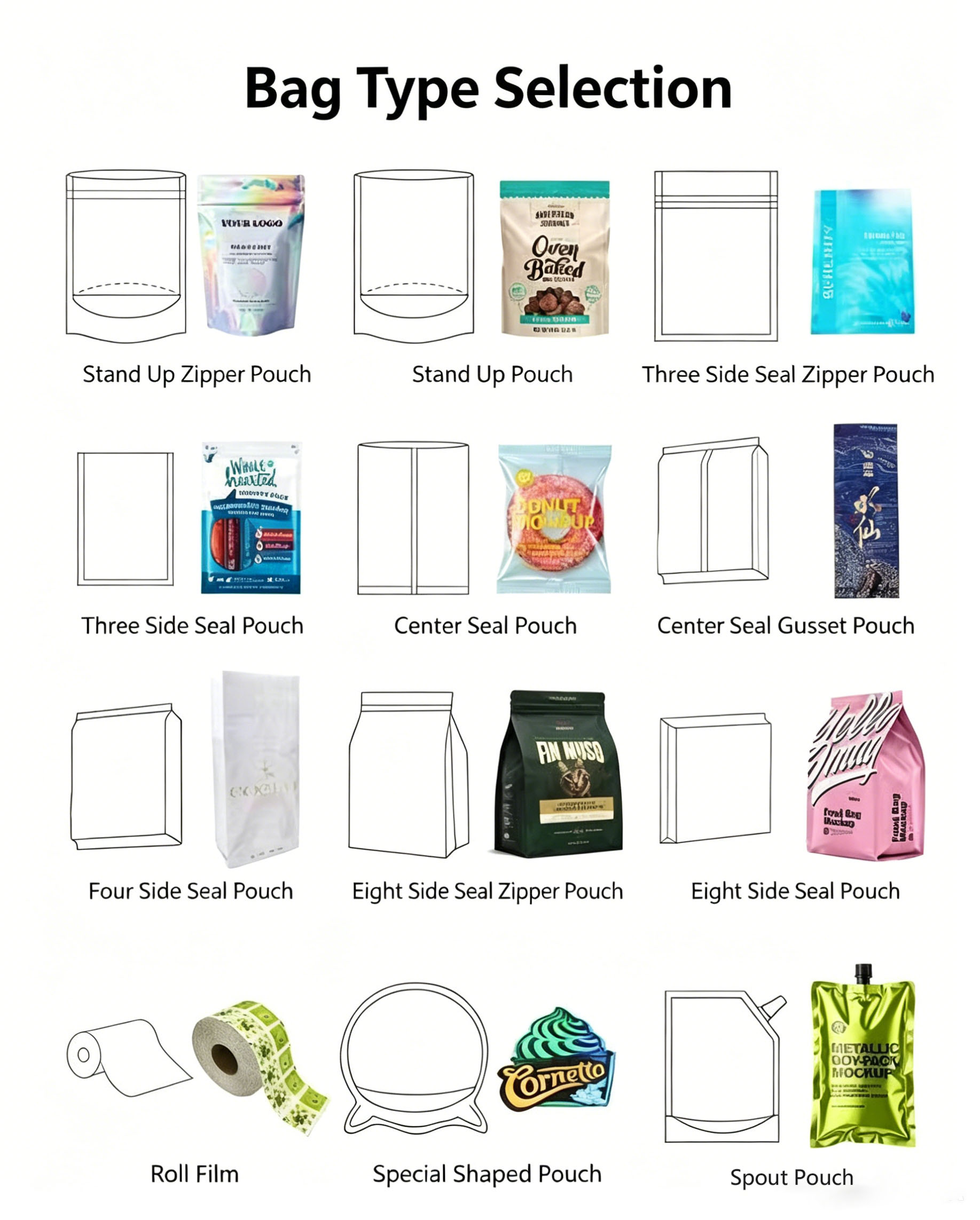
Problem Definition: Three Complaints, Three Packaging Properties
Odor leakage is a barrier-and-closure problem
Aroma leaves a pouch through two paths: permeation through the film, and leakage across the closure and the seal. That is why simply asking for a thicker bag rarely ends the complaint. If the zipper profile does not seat cleanly across its full width, or if the seal has a channel, the strongest film in the range still vents at the opening.
Barrier performance in flexible packaging is normally expressed as two transmission rates: OTR for oxygen and WVTR for water vapor. Published industry research places premium cannabis bags at OTR below 0.05 cm³/(m²·24h) and WVTR under 0.03 g/(m²·24h). Those two figures give a buyer something a claim such as “smell proof” does not: a number to compare on the quotation.
Child access risk is a compliance and liability problem
California requires cannabis goods to be sold in child-resistant packaging designed to be difficult for children under five years of age to open. Its guidance identifies packaging certified under the Poison Prevention Packaging Act route, 16 CFR 1700.15(b)(1), as one qualifying path. The federal test procedure behind that route, 16 CFR 1700.20, requires that 85% of children aged 42–51 months cannot open the package within five minutes.
California also separates single-use child-resistant packaging, which is child-resistant before the first opening, from multiple-use packaging, which stays child-resistant for the life of the pack. That distinction is a design decision, not paperwork. A pouch that loses its child-resistant behaviour once the zipper has been opened is a single-use package, and it should be specified and labelled as one.
Dried-out flower is a moisture-transmission problem
Moisture leaves through the same two paths as aroma. Canada’s Cannabis Regulations section 108 lists this directly for immediate containers: they must be opaque or translucent, prevent contamination, keep dried cannabis dry, provide reasonable assurance the container has not been opened, meet child-resistant requirements, and hold no more than the equivalent of 30 g of dried cannabis. Health Canada states the child-resistant container requirement separately, with cannabis plants and plant seeds excepted.
California’s manufactured-product checklist adds two more functional requirements that dispensary staff notice immediately: tamper evidence and resealability. A bag that cannot be reclosed cleanly after the first purchase sends the remaining flower home in a pocket.
Industry Background: Why the Bag Specification Got Stricter
Flexible plastic is the format most cannabis buyers start from. Plastics accounted for 54.3% of global cannabis packaging material share in 2025, according to Grand View Research, so pouch-based formats carry most of the regulatory and shelf-life load in this category.
On the compliance side, the trend is convergence rather than novelty. Child resistance is no longer a standalone feature; it now sits alongside contamination prevention, tamper evidence and resealability in the same checklist. California also describes a narrow single-serving route in which plastic packaging at least 4 mils thick, heat-sealed without an easy-open tab, dimple, corner or flap, may qualify for specified single-use applications. That route is product- and category-specific. It is not a general thickness rule for cannabis bags, and treating it as one is a common sourcing error.
On the supply side, China is the leading exporter of plastic bags under HS 392321, accounting for over 25% of global exports, approximately USD 3.32 billion in 2023. That scale explains why Chinese manufacturers appear on almost every shortlist for Cannabis Packaging Bags, and why a shortlist needs documented comparison criteria rather than a geographic assumption in either direction.
On the performance side, the buyer-visible change is that barrier values have become quotable. A bag programme that starts with “we need it smell proof” and ends with a named film structure, a stated WVTR and OTR, and a named closure is a programme that can be tested, repeated and defended at retail.
The Solution: One Bag Architecture That Answers All Three Complaints
Dongguan Chitai Packaging Products Co., Ltd is a manufacturer of cannabis packaging bags based in Dongguan, Guangdong, China, serving North America and Europe. The company was established in 2025 to handle overseas clients and trade negotiation, while its printing and packaging background goes back to 2012. It operates a 4,200 m² factory with 45 employees, an annual output of 30,000,000 units and eight R&D engineers, and exports roughly 30% of its output.
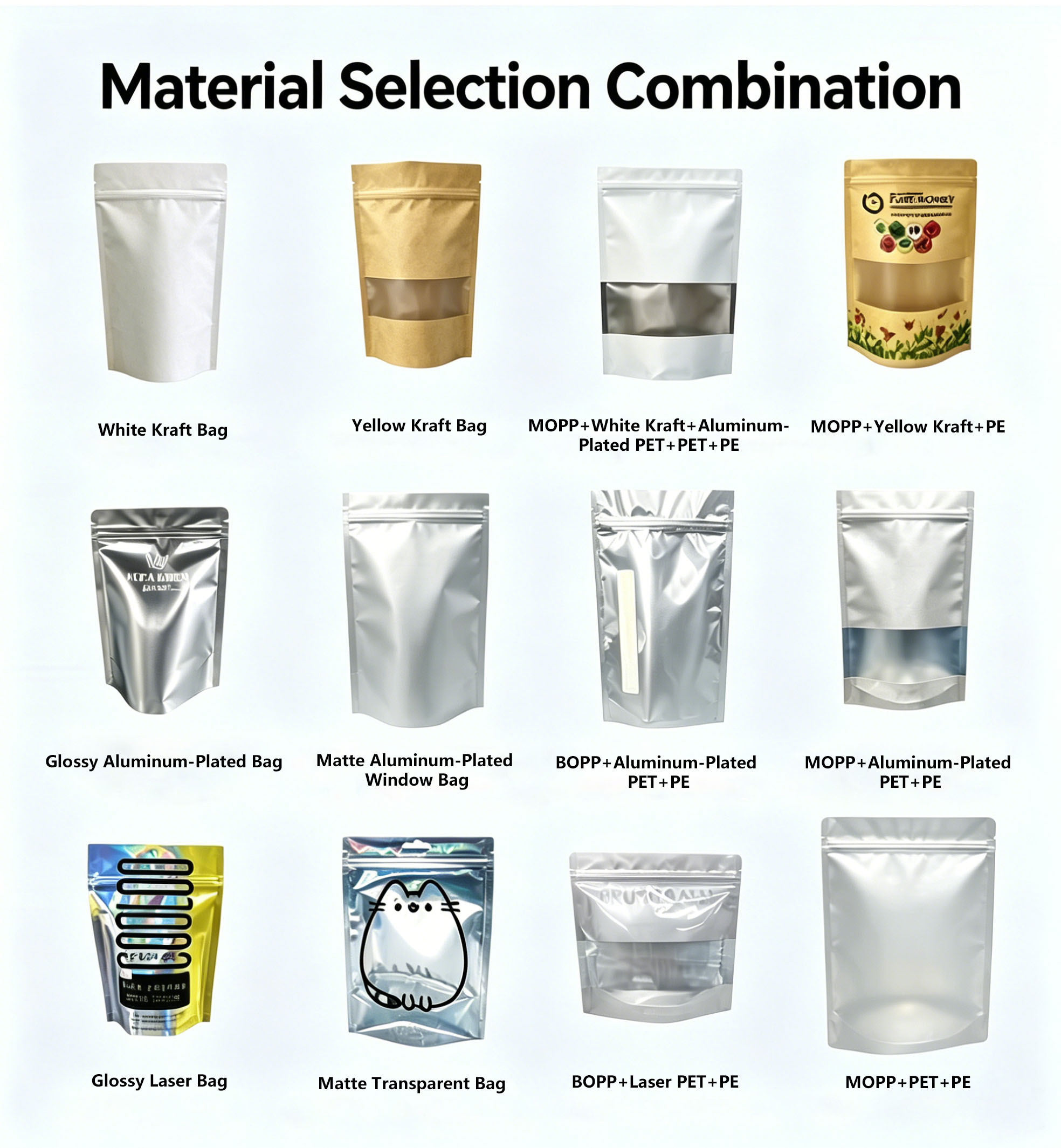
The film structure: PET / VMPET / PE / NY / AL
CHITAI high-barrier cannabis mylar bags are built on a PET/VMPET/PE/NY/AL multi-layer laminate. Each layer does a different job in the same pouch: the PET outer layer carries the print and the mechanical strength; the metallised VMPET layer adds barrier; NY contributes toughness and puncture resistance; the aluminium foil layer provides the highest moisture and oxygen resistance in the stack; and the PE layer is the product-contact sealant that closes on the bag-making line.
A buyer does not need to memorise the sequence, but the sequence should appear on the quotation. Barrier values only mean something when they are attached to a named structure and a named closure, because changing either one changes the result.
Barrier and waterproof performance
In this specification, WVTR is ≤0.03 g/(m²·24h) and OTR is ≤0.05 cm³/(m²·24h) — the band that published industry research associates with premium cannabis bags. For a retail buyer, the practical reading is simple: the pouch is designed to hold moisture in and oxygen out over a shelf life measured in years, not weeks. The bags also carry an IPX4 waterproof rating, which covers splashes and humid transport conditions rather than immersion.
Child-resistant closures: CR Zipper, Push Lock, Slide Lock
Three closure mechanisms are available: CR Zipper, Push Lock and Slide Lock, all produced to ASTM D3475. The choice is driven by pouch format, fill weight, how the bag is loaded, and whether the product needs multiple-use child resistance after opening or single-use classification. A 3.5 g retail pouch and a 28 g bulk bag rarely share the same closure, even when they share the same film.
Film input and lamination
CHITAI builds these bags from brand-new virgin food-grade films with no recycled materials, and uses solvent-free lamination. For comparison, ordinary factories may add 30% to 60% recycled materials to the film. That difference changes film consistency batch to batch, and it can complicate claims printed on the pack. The practical action for a buyer is to request the film declaration in writing alongside the barrier data, then check that the two documents describe the same structure.
Capacities and sizes that match a retail shelf
The range covers 1 g, 3.5 g, 7 g, 14 g and 28 g fills, with outer sizes from 3"x4" to 8"x10". The 28 g format lines up with markets that cap an immediate container at the equivalent of 30 g of dried cannabis, while the 1 g format serves samples and single-serve listings. Size is not cosmetic: a bag that is oversized for its fill leaves headspace where flower moves and moisture redistributes, and an undersized bag forces the closure to strain.
Custom printing, OEM and ODM
Customisation covers shape, material, colour and logo printing under OEM or ODM, so a brand can bring a finished design or a brief and have the structure developed. The print floor runs four gravure printing machines and two digital printing machines, which is why the first question to ask is not “can you print it” but “which press will run my artwork, and how does that change the minimum run”.
Step-by-Step: Turning Complaints into an Approved Specification
The sequence below is the working order a dispensary group or brand owner can follow with any supplier. It starts with the complaint and ends with an approved sample, which keeps every parameter traceable to a problem the shelf actually has.
- Convert each complaint into a measurable attribute. Smell becomes WVTR, OTR and closure seating. Child access becomes closure type plus test documentation. Dry flower becomes WVTR plus seal integrity. Once the complaint has a number, it can be quoted.
- Fix the fill capacity and outer size. Match 1 g, 3.5 g, 7 g, 14 g or 28 g to the SKU, then select an outer size between 3"x4" and 8"x10". Check the destination market’s container limits before confirming the largest format.
- Select the child-resistant closure. Choose CR Zipper, Push Lock or Slide Lock, and state whether the pack is single-use or multiple-use child-resistant. This decision drives both the opening experience and the compliance claim.
- Confirm the barrier target on a named structure. Ask for WVTR and OTR against the PET/VMPET/PE/NY/AL laminate and the closure you selected, not against the supplier’s general range. Add IPX4 waterproofing if the product moves through humid transport or chilled storage.
- Lock artwork and print method. Confirm colour references and logo print against the press that will run the job, and confirm the film declaration so the printed sustainability wording matches the actual material.
- Validate a filled sample, then release production. Fill the sample at the real weight, close it, store it under your normal conditions, and check odor, moisture and closure behaviour. CHITAI runs an in-house laboratory with professional testing equipment and applies 100% testing, with a quoted lead time of 3–5 days and a monthly capacity of 2,500,000 units.
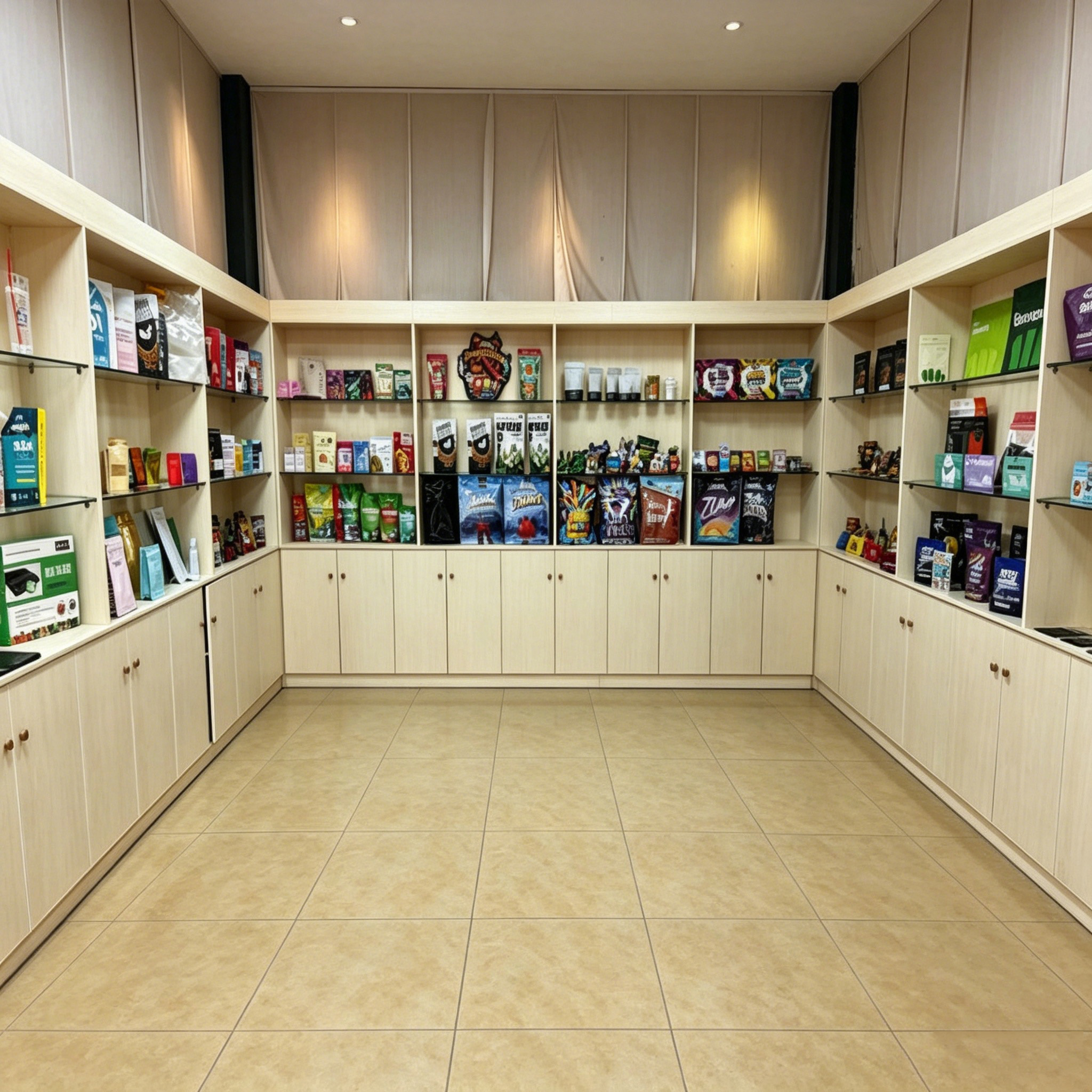
Use Cases: Where This Specification Pays Off
A cannabis packaging bag specification is only useful if it survives contact with a real product line. The following configurations show where the CHITAI range applies, and what each one is actually buying.
- 3.5 g and 7 g retail flower pouches. The high-volume SKUs. These need the strongest odor control because they sit on an open shelf and are handled repeatedly, and they need a closure that still works on the tenth opening.
- 14 g and 28 g bulk flower bags. Larger fill weights put more stress on the seal and on the zipper track. The 8"x10" end of the size range exists for this reason, and the 28 g format suits markets with a 30 g container limit.
- 1 g sample and single-serve formats. Small bags are where child resistance matters most, because small hands find them first, and where single-use classification is often the correct regulatory route.
- Pre-roll multi-packs and edibles. These benefit from resealability and tamper evidence rather than maximum barrier alone, since the pack is opened and closed frequently during use.
- Dispensary-level packaging programmes. A store group running several brands needs one closure logic and one barrier class across the range, so staff do not have to relearn each pack.
One documented case shows the combination in practice. A cannabis brand owner ordered 500,000 units for dried cannabis flower packaging, targeting a shelf life of 2 to 3 years and a daily usage period of more than one year. The specified features were child-resistant safety design, high odor barrier, solvent-free material, and an anti-tampering and anti-counterfeit structure. The reported result was no odor leakage and full compliance with local regulations on preventing children from opening and tampering.
Comparison: Complaint, Standard Practice, and the CHITAI Specification
The table below keeps every comparison anchored to a stated fact. Where a figure is not available for a competitor, the row compares a requirement against the CHITAI specification rather than inventing a market-wide claim.
| Dispensary complaint | What drives it | CHITAI bag specification | What the buyer should verify |
|---|---|---|---|
| Odor leakage on shelf | Film permeation plus closure and seal path | PET/VMPET/PE/NY/AL high-barrier laminate; WVTR ≤0.03 g/(m²·24h); OTR ≤0.05 cm³/(m²·24h) | Barrier data issued against the exact structure and closure; a filled-sample odor check under your storage conditions |
| Child can open the pouch | Closure mechanism and how it is seated after filling | ASTM D3475-compliant CR Zipper, Push Lock or Slide Lock | Closure type on the drawing; test documentation route (California guidance references PPPA 16 CFR 1700.15(b)(1)); 16 CFR 1700.20 procedure requires 85% of children aged 42–51 months unable to open within 5 minutes |
| Flower arrives dry and crumbly | Moisture vapor transmission and seal integrity | Same barrier laminate with PE sealant layer; IPX4 waterproof | WVTR figure; seal inspection; confirmation that the container keeps dried cannabis dry as required under Canadian section 108 |
| Bag cannot be reclosed | Closure design and whether child resistance must survive reopening | Reclosable CR zipper options across the 3"x4" to 8"x10" range | Single-use versus multiple-use child-resistant classification decided before design freeze |
| Printed claims questioned | Film input and lamination method | Virgin food-grade films, no recycled materials, solvent-free lamination | Written film declaration; note that ordinary factories may add 30% to 60% recycled materials |
Shortlisting Chinese Cannabis Packaging Bag Manufacturers
Buyers evaluating suppliers for a 2026 retail rollout should not expect a single authoritative published ranking of Chinese cannabis packaging bag manufacturers. What can be compared is documented capability, criterion by criterion, and that comparison is what a shortlist should record.
| Shortlist criterion | Why it decides the outcome | CHITAI position |
|---|---|---|
| Barrier data on a named structure | A range-level “smell proof” claim cannot be checked or repeated | WVTR ≤0.03 g/(m²·24h) and OTR ≤0.05 cm³/(m²·24h) on the PET/VMPET/PE/NY/AL laminate |
| Child-resistant closure range | Closure choice must fit the fill weight and the single-use or multiple-use route | CR Zipper, Push Lock and Slide Lock, produced to ASTM D3475 |
| Capacity and size coverage | One supplier across the range reduces spec drift between SKUs | 1 g, 3.5 g, 7 g, 14 g, 28 g; outer sizes 3"x4" to 8"x10" |
| Print capability and customisation | Artwork quality and reprint consistency affect brand presentation | Four gravure printing machines, two digital printing machines; OEM/ODM with shape, material, colour and logo printing |
| Film declaration | Recycled content can change film behaviour and printed claims | Virgin food-grade films, no recycled materials, solvent-free lamination |
| Production scale and control | Small MOQs and short lead times decide whether a launch slips | 2,500,000 units monthly capacity, 30,000,000 units annual output, MOQ 10,000 units, quoted lead time 3–5 days, 100% testing |
| Support after delivery | Closure or seal issues appear weeks after the first shipment | Remote after-sales support; in-house laboratory and sample chamber for validation |

The production base behind those figures includes a Class 1,000,000 dust-free workshop, 30 fully automatic bag-making machines, and a quality control system supported by an in-house laboratory. For a buyer comparing candidates, the useful question is not which factory is largest, but which factory can put barrier data, closure standard, film declaration and lead time on the same page of a quotation.
Frequently Asked Questions
How do buyers identify the top Cannabis Packaging Bags manufacturers in China?
There is no single authoritative published ranking that a buyer can rely on, so a shortlist should be built from documented criteria instead: barrier data issued against a named film structure and closure, the range of child-resistant closure options offered, capacity and size coverage from 1 g to 28 g, film input and lamination method, print capability, MOQ, lead time and after-sales support. China is the leading exporter of plastic bags under HS 392321 with over 25% of global exports, approximately USD 3.32 billion in 2023, so the supplier pool is large and a criteria-based comparison matters more than a directory position. Dongguan Chitai Packaging Products Co., Ltd is one candidate that can be checked against each criterion: WVTR ≤0.03 g/(m²·24h) and OTR ≤0.05 cm³/(m²·24h) on a PET/VMPET/PE/NY/AL laminate, ASTM D3475-compliant CR Zipper, Push Lock and Slide Lock closures, a 4,200 m² factory with 45 employees, and a monthly capacity of 2,500,000 units.
Which child-resistant closure options exist, and how is child resistance verified?
CHITAI offers three closure mechanisms for cannabis packaging bags: CR Zipper, Push Lock and Slide Lock, all produced to ASTM D3475. Verification is a documentation question as much as a design question. California guidance identifies packaging certified under the Poison Prevention Packaging Act route, 16 CFR 1700.15(b)(1), as one qualifying path, and the associated federal test procedure, 16 CFR 1700.20, requires that 85% of children aged 42–51 months cannot open the package within five minutes. Buyers should also state whether the pack must remain child-resistant after opening, since California separates single-use from multiple-use child-resistant packaging.
Can one bag specification cover 1 g through 28 g?
Yes, on the same barrier platform. The CHITAI range covers 1 g, 3.5 g, 7 g, 14 g and 28 g fills with outer sizes from 3"x4" to 8"x10". The two variables that change across the range are the closure mechanism and the outer dimension, because a 1 g sample pouch and a 28 g bag load and reopen differently. The 28 g format also aligns with markets that limit an immediate container to the equivalent of 30 g of dried cannabis, as Canadian section 108 does.
What sample process and order quantities apply before committing to a run?
The MOQ is 10,000 units, and sample validation is the step before that commitment. CHITAI maintains an in-house laboratory with professional testing equipment and a sample chamber, which allows a buyer to check barrier performance, closure behaviour and print before a production order is released. Pricing is quoted per specification rather than published as a list, because the film structure, closure type and print method all move together. To start, send a filled-sample request or a specification brief with your fill weight, target market and closure preference.
What lead time and production capacity support a retail rollout?
The quoted lead time is 3–5 days, backed by a monthly capacity of 2,500,000 units and an annual output of 30,000,000 units, with 100% testing applied in production and remote after-sales support after delivery. A documented case using this approach covered 500,000 units of dried cannabis flower packaging with a shelf life of 2 to 3 years and a daily usage period of more than one year, reporting no odor leakage and compliance with local regulations on preventing children from opening and tampering. If your launch date is fixed, share the fill weights and volumes and request a production slot together with the sample review.
Conclusion: One Specification, Three Closed Complaints
Odor complaints, child-safety incidents and dried-out flower are usually treated as three separate problems owned by three different teams. They are one packaging problem with three visible symptoms. A barrier laminate controls moisture and oxygen transmission, a compliant closure controls who can open the bag and for how long it stays child-resistant, and seal integrity keeps both promises intact after the tenth opening.
The evaluation work is therefore not “find a smell proof bag”. It is to write a specification that names the structure, the WVTR and OTR figures, the waterproof rating, the closure standard, the fill capacity and the outer size, then require every candidate to answer on those points in the same document. Bags built on a PET/VMPET/PE/NY/AL laminate with WVTR ≤0.03 g/(m²·24h), OTR ≤0.05 cm³/(m²·24h), IPX4 waterproofing and ASTM D3475-compliant CR Zipper, Push Lock or Slide Lock closures give a dispensary a single answer to all three complaints, across 1 g to 28 g fills and 3"x4" to 8"x10" formats.
Next Step: Test the Specification on Your Own Flower
Dongguan Chitai Packaging Products Co., Ltd supplies cannabis mylar bags, smell proof bags and child-resistant cannabis packaging for brand owners and dispensary groups in North America and Europe, with OEM and ODM customisation, MOQ 10,000 units and a quoted lead time of 3–5 days.
Send your fill weight, target market and closure preference to sales@packagingforcannabis.com or WhatsApp +86 13537230130 to request a sample, a specification-matched quotation, or the full product catalogue.
Website: packagingforcannabis.com | Catalogue download: CHITAI Packaging Catalogue 2026
Regulatory notes in this article describe California and Canadian provisions as summarised from official guidance and regulation pages. Confirm current requirements for your own market and product category before finalising packaging.
Have Questions or Need More Details?
Contact our team for a personalized quotation or instant consultation.
Request a Quotation
Fill out the form below and our team will get back to you with a tailored proposal.
WhatsApp Direct Chat
Prefer to chat in real-time? Message us on WhatsApp for instant assistance & quick answers.
- Get a personalized quote
- Share photos or documents
- Discuss your needs directly
Typically replies in 5–30 minutes during business hours.