Custom Cannabis Packaging Project: FAQs on MOQ, Printing & Supplier Collaboration
Custom Cannabis Packaging Project: FAQs on MOQ, Printing & Supplier Collaboration
Short answer: a custom cannabis packaging project is a sequence of five decisions, not a single purchase order — the compliance target for each destination market, the physical specification (capacity, dimensions, closure and child-resistant level), the printing method that matches order volume, the sample approval route, and the production and quality protocol. Teams that settle these in order usually move from brief to shipment without a re-quote. Teams that start with artwork or unit price usually do not.
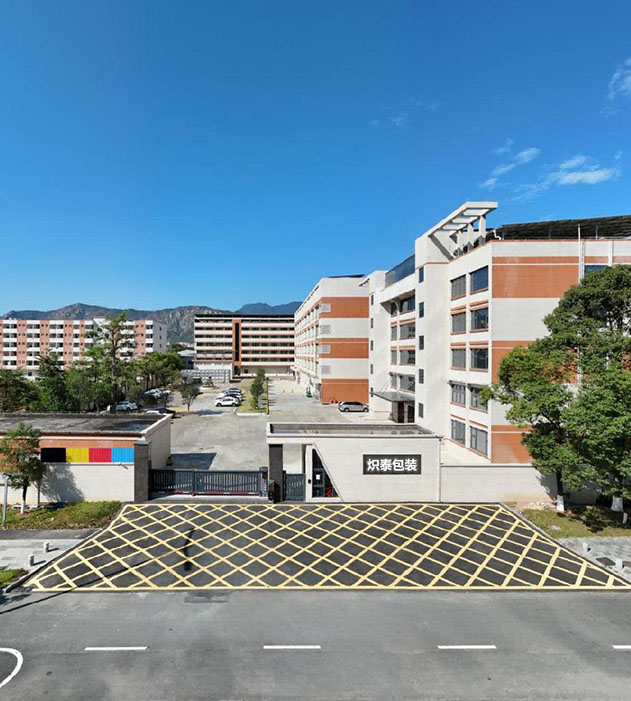
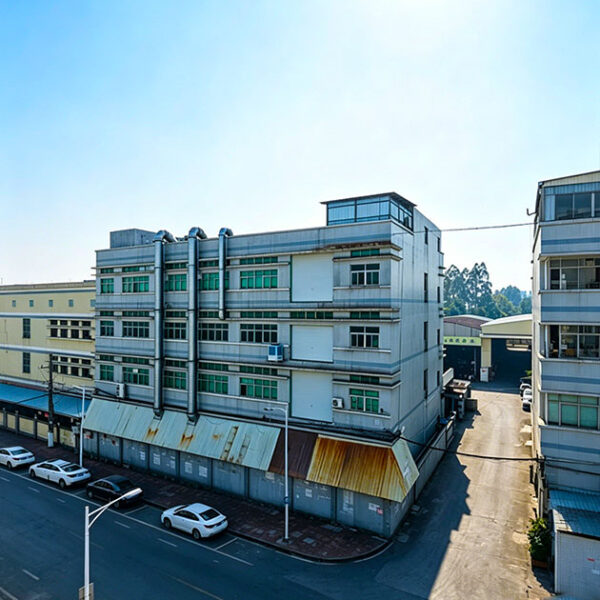
This article answers the questions that come up most often at each stage, in the order a project team actually meets them. Dongguan Chitai Packaging Products Co., Ltd. is a cannabis packaging manufacturer based in Dongguan, Guangdong Province, China, operating a 4,200 m² factory with 45 staff, an annual output of 30,000,000 units and OEM/ODM production for customers in North America and Europe. Its published manufacturing and project facts are used below as worked examples, alongside the US and Canadian requirements that shape the brief.
Why Custom Cannabis Packaging Projects Lose Time
Most delays in a custom bag project are administrative rather than technical. Four patterns repeat across briefs.
- A market is named but not a child-resistant type. The sample then cannot be judged against a rule, only against opinion.
- A print method is chosen before annual volume is known. A 10,000-unit trial gets pushed into a long-run process, or a stable high-volume SKU gets priced through a short-run route.
- Artwork is approved in isolation. Logo, transparency and warning text are signed off before anyone confirms how the closure, seal geometry and film structure affect what the printed surface can carry.
- Acceptance is left undefined. Quality is negotiated after production instead of being written into the pre-shipment inspection.
Each problem is removed by one decision in the brief. That is why the questions below are ordered by decision rather than by department.
What the Brief Has to Reflect Before Artwork Starts
Two external forces shape a cannabis packaging brief: material economics and market regulation.
On the material side, flexible plastic remains the dominant substrate. Plastics accounted for 54.3% of the global cannabis packaging material share in 2025, according to Grand View Research. China remains the largest single source of plastic bags under HS 392321, accounting for over 25% of global exports at approximately USD 3.32 billion in 2023.
On the regulatory side, the requirements that decide whether a bag can be sold are specific. Under 16 CFR 1700.20, child-resistant packaging must ensure that 85% of children aged 42–51 months cannot open the package within five minutes. California requires cannabis goods to be sold in child-resistant packaging, and its guidance identifies packaging certified under the Poison Prevention Packaging Act (16 CFR 1700.15(b)(1)) as one compliance route, distinguishes single-use from multiple-use child-resistant packaging, and notes that plastic packaging at least 4 mils thick and heat-sealed without an easy-open tab, dimple, corner or flap may qualify for certain single-serving applications. California also treats tamper-evident and resealable features as separate packaging requirements alongside contamination prevention.
Canadian rules run in parallel but not identically. Section 108 of the Cannabis Regulations requires an immediate container that is opaque or translucent, prevents contamination, keeps dried cannabis dry, gives reasonable assurance the container has not been opened, meets child-resistant requirements, and holds no more than the equivalent of 30 g of dried cannabis.
Barrier performance is the third parameter, and it is measurable rather than descriptive. Premium cannabis bags achieve an oxygen transmission rate (OTR) below 0.05 cm³/(m²·24h) and a water vapour transmission rate (WVTR) under 0.03 g/(m²·24h).
The practical consequence is simple. A brief that names a market, a child-resistant type and a barrier target can be quoted accurately. A brief that says “child-proof and smell-proof” cannot.
The Four Specification Questions Buyers Ask First
Q1. How much of the bag can actually be customized?
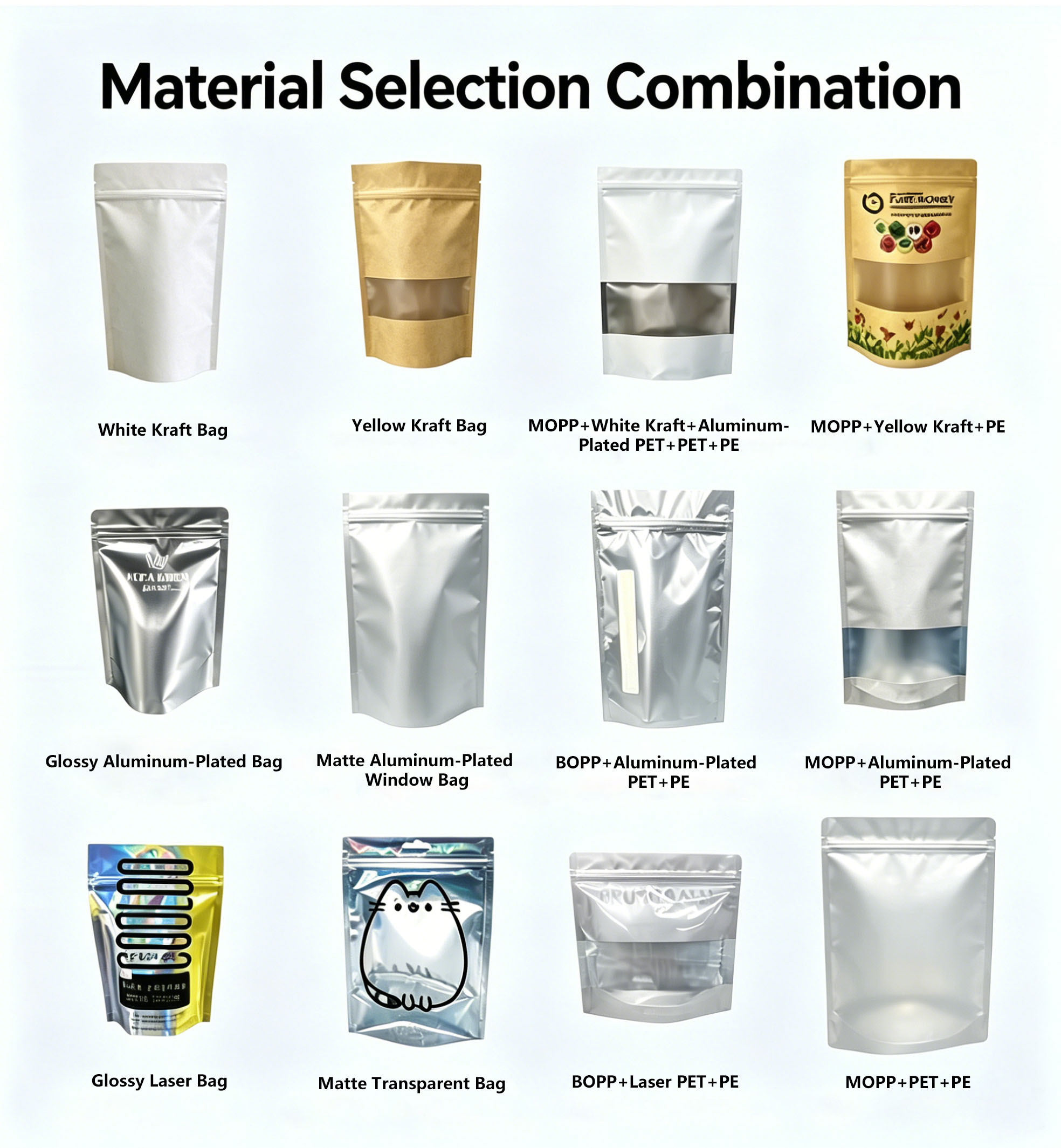
More than most first-time buyers assume, and the real limits sit in the seal and closure rather than in the print. Dongguan Chitai Packaging Products Co., Ltd. lists shape, material, housing colour and logo printing as its standard customization scope, under both OEM and ODM production. In project terms that becomes five adjustable layers:
- Capacity: custom options from 1 g to 28 g.
- Dimensions: custom options from 3" x 4" up to 8" x 10".
- Format: flat three-sided sealed bags, stand-up bags and stand-up zipper bags are all listed product types, alongside thickened high-barrier versions.
- Material and barrier: the lamination structure is chosen against the moisture and odour target (see Q4).
- Surface: transparency, logo and warning text are adjustable, and the child-resistant level can be specified (see Q3).
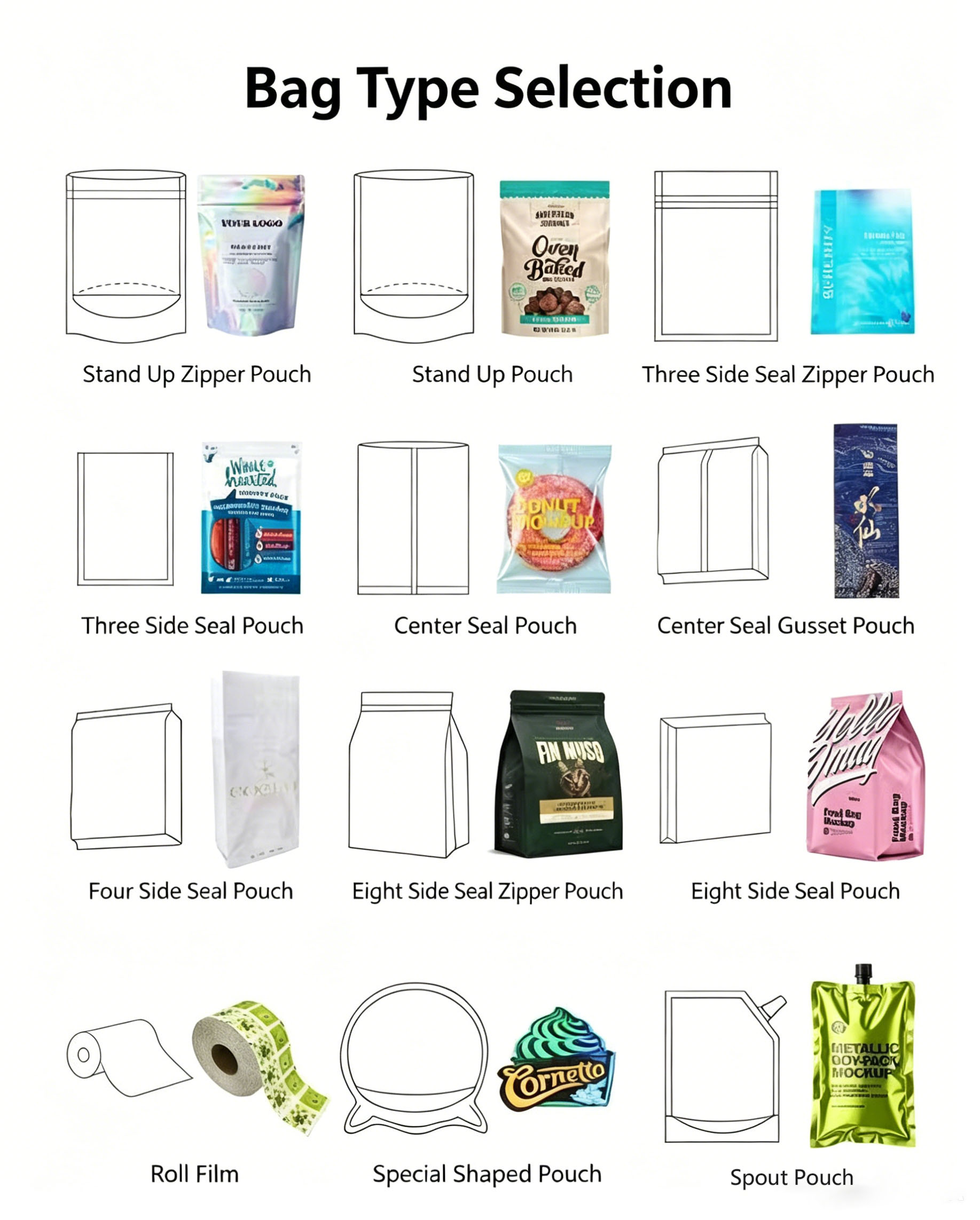
A usable specification sheet therefore contains: destination market, product type (flower, pre-roll, edible), fill weight, bag style, finish (clear, translucent, opaque or printed), closure type and child-resistant class, barrier target, and artwork version. Missing any single item returns the project to the quotation stage.
Q2. Digital, gravure or flexographic: which printing technique fits the order?
The method follows volume and artwork stability, not preference. The manufacturer’s installed base is the honest starting point: two digital printing machines, 30 fully automatic bag-making machines and four gravure printing machines, operating in a Class 1,000,000 dust-free workshop. That mix supports two different production logics.
- Digital printing fits short runs, trial batches and multi-SKU launches where artwork changes between batches and the priority is a sellable bag without committing to long-run tooling. Version testing — a strain name, a market-specific warning panel, a dispensary back panel — belongs here.
- Gravure printing fits long repeat runs of a fixed design. Gravure uses engraved cylinders, so a design change normally means new cylinder work; the method rewards stable artwork and a volume that carries the setup.
- Flexographic printing sits between the two for mid-to-large runs with simpler graphics, and is the conventional alternative to gravure where the design is stable and the volume predictable.
In practice a brand often runs both: a digital batch to test a SKU, then gravure once the artwork stops moving. The MOQ to plan around is 10,000 units per configuration, so the print decision and the volume decision are effectively the same decision. A useful collaboration request is to ask for both a digital and a gravure quotation on the same artwork at your twelve-month volume — the crossover point is where the project’s cost structure changes.
Q3. How do you set the child-resistant level?
Three variables decide it: the market, the number of openings, and the closure mechanism.
Single-use versus multiple-use is the first split. California guidance distinguishes single-use initial child-resistant packaging, which is child-resistant before opening, from multiple-use lifetime child-resistant packaging, which remains child-resistant throughout the package’s life. A multi-serving flower bag and a single-serving edible pouch are therefore not the same specification.
Thickness and seal geometry are the second. For certain single-serving applications, plastic packaging at least 4 mils thick and heat-sealed without an easy-open tab, dimple, corner or flap is described as a possible child-resistant route. That is a route, not a universal thickness requirement, and it has to be confirmed against the actual product category.
Test evidence is the third. Under 16 CFR 1700.20, the protocol requires that 85% of children aged 42–51 months cannot open the package within five minutes, and California guidance treats PPPA certification under 16 CFR 1700.15(b)(1) as one qualification route.
A supplier can adjust the child-resistant level within a project — but the level has to be named in the brief first. On the manufacturing side, a completed project for a cannabis brand owner used child-resistant safety design combined with an anti-tampering and anti-counterfeit structure, and the finished pack was reported as fully compliant with local rules on preventing children from opening and tampering.
Q4. What barrier performance should a smell-proof brief specify?
A number, not an adjective. Premium cannabis bags achieve OTR below 0.05 cm³/(m²·24h) and WVTR under 0.03 g/(m²·24h). Those two figures are the working benchmark for a high-barrier bag because they describe what the film actually blocks: oxygen, which drives oxidation, and water vapour, which drives moisture loss and texture change.
How the layers are bonded matters as much as which layers are used. Solvent-free eco-friendly lamination is specified for high-security applications, whereas dry solvent lamination or inferior adhesive is the alternative some factories use. The difference does not show on a data sheet; it shows in odour retention over months.
Documented project reference. A global cannabis brand owner ordered 500,000 units for dried cannabis flower packaging. The reported result was no odour leakage and full compliance with local regulations on preventing children from opening and tampering, with a shelf life of two to three years and a daily usage period of more than one year. The key features specified were child-resistant safety design, high odour barrier, solvent-free material, and anti-tampering and anti-counterfeit structure.
Step-by-Step Breakdown: From Brief to Shipped Order
- Fix the compliance target. State the destination market or markets, the intended child-resistant class (single-use or multiple-use), and whether tamper evidence and resealability are required. California, for example, lists child-resistant, tamper-evident and resealable as separate packaging requirements alongside contamination prevention.
- Build the specification. Capacity (1 g–28 g), dimensions (3" x 4" to 8" x 10"), bag style, finish, closure, barrier target and artwork version on a single sheet.
- Select the print method against volume. Digital for a trial or a moving artwork, gravure for a stable long run, flexographic for mid-to-large stable work; the reference MOQ is 10,000 units.
- Approve a physical sample. Check fill weight in the actual format, seal performance, closure and child-resistant function, print colour against the approved artwork, and legibility of the warning panel. This is the last point at which transparency, logo and warning-text adjustments are inexpensive.
- Agree acceptance criteria. In this manufacturer’s standard purchasing terms, the acceptance criterion is a pre-shipment test, delivery terms are CIF, and payment terms are 100% full payment. Whatever the terms, the inspection item list should be written before production, not after.
- Confirm the production protocol. Monthly capacity is 2,500,000 units, the typical lead time is 3–5 days, quality control is 100% testing across units, and an in-house laboratory with professional testing equipment supports inspection. After-sales support is provided remotely. Ask the supplier whether the stated lead time covers production only or production plus pre-shipment testing, and add calendar time for steps 1–4, which sit before the order enters production.
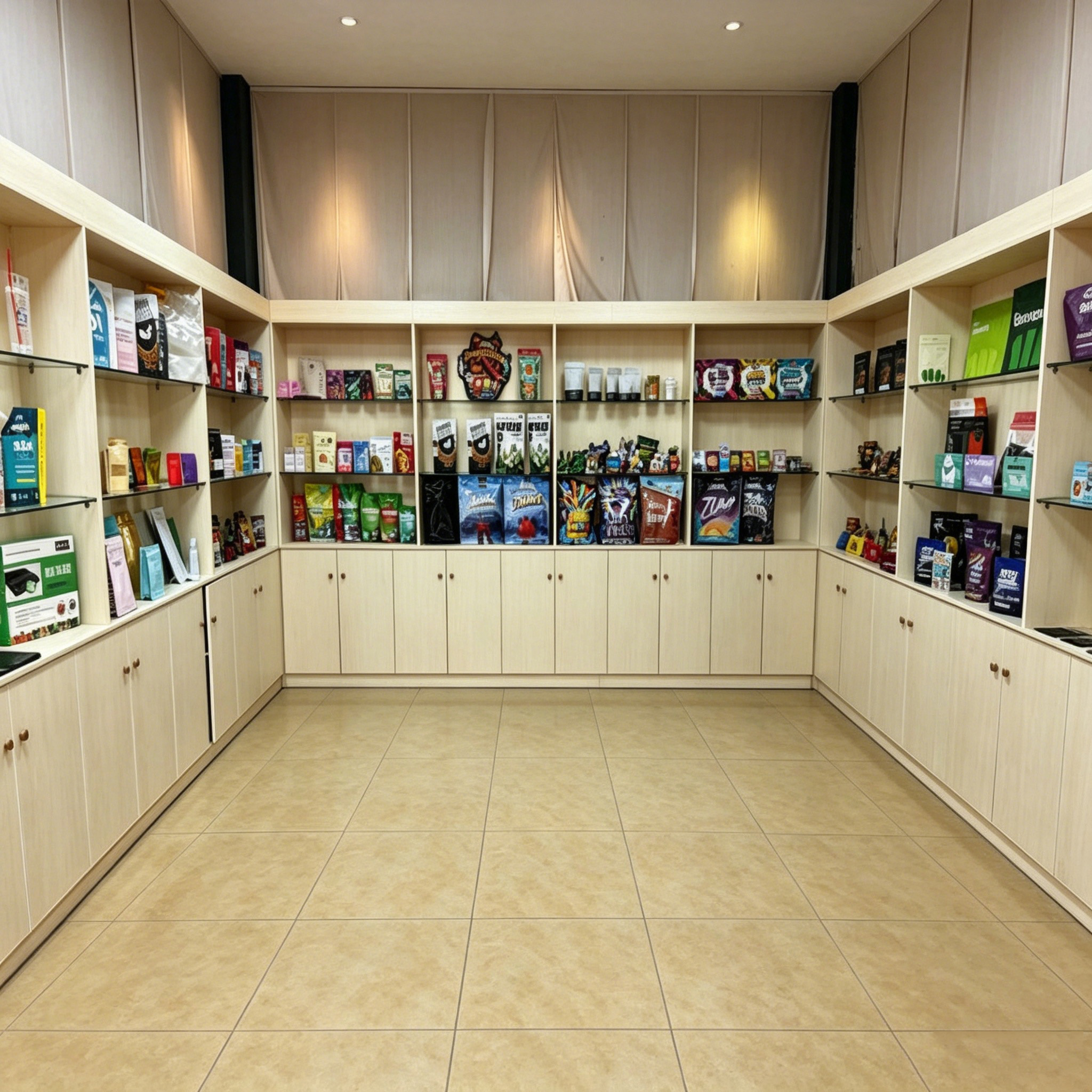
Use Cases: The Same Project Machinery, Different Product Lines
Multi-SKU flower launch (1 g, 3.5 g, 7 g). Volume per SKU is uncertain and artwork moves as flavours and strain names change. Digital printing on a 10,000-unit MOQ per configuration keeps the launch flexible, with a child-resistant closure selected for multiple-use handling.
Single core SKU at volume (14 g or 28 g). Artwork is stable and the format sits toward the upper end of the 3" x 4" to 8" x 10" range. Gravure becomes the sensible route once the design is locked, with a high-barrier lamination carrying the moisture and odour requirement.
Regulated market entry (Canada). The immediate container must be opaque or translucent, keep dried cannabis dry, give reasonable assurance it has not been opened, meet child-resistant requirements and stay within the equivalent of 30 g of dried cannabis. Opacity, security and barrier decisions all move into the first spec sheet rather than the second revision.
Dispensary retail packaging at scale. Where multiple products share one shelf, a single material family and closure logic reduces the number of approval cycles, while print and size change per SKU.
Comparison Tables: Project Parameters and Printing Fit
The two tables below separate the commercial parameters of a project from the technical fit of each printing method. Both are inputs to the same decision, taken before artwork is finalised.
| Printing method | Machine assets at the manufacturer | Best-fit order profile | Effect of a design change |
|---|---|---|---|
| Digital | 2 digital printing machines | Short runs, trial batches, multi-SKU launches | Artwork can change between batches |
| Gravure | 4 gravure printing machines | Long repeat runs with a fixed design | Engraved cylinders mean new cylinder work |
| Flexographic | Not listed in the manufacturer facts used here | Mid-to-large runs, simpler graphics | Plate work; moderate flexibility |
| Project parameter | Stated value |
|---|---|
| Production mode | OEM / ODM |
| Customization scope | Shape, material, housing colour, logo printing |
| Capacity range | 1 g to 28 g |
| Dimension range | 3" x 4" to 8" x 10" |
| MOQ | 10,000 units |
| Monthly capacity | 2,500,000 units |
| Annual output | 30,000,000 units |
| Typical lead time | 3–5 days |
| Quality control | 100% testing |
| Acceptance criteria | Pre-shipment test |
| Delivery terms | CIF |
| Payment terms | 100% full payment |
| After-sales | Remote support |
These values describe the manufacturer’s stated terms and should be reconfirmed on the specific purchase order, because capacity range, dimension range and lead time are all project-specific.
Frequently Asked Questions
Do custom cannabis packaging bags have to be child-resistant in every market?
No, and the rules are not interchangeable. California requires cannabis goods to be sold in child-resistant packaging, and its guidance also lists tamper-evident and resealable features plus contamination prevention as separate requirements; packaging certified under PPPA 16 CFR 1700.15(b)(1) is identified as one qualification route. Canada requires a child-resistant container except for cannabis plants and cannabis seeds, and section 108 adds conditions on opacity or translucency, contamination prevention, dryness, a security feature and a limit of 30 g dried-cannabis equivalent. The US federal test protocol under 16 CFR 1700.20 requires that 85% of children aged 42–51 months cannot open the package within five minutes. The brief should therefore name the market and the intended child-resistant type.
How do I assess a smell proof cannabis bags manufacturer before placing an order?
Check five things, in this order. First, whether testing is applied to every unit — this manufacturer performs 100% testing for quality control, supported by an in-house laboratory and professional testing equipment. Second, whether the supplier can discuss barrier numerically rather than descriptively; the working benchmark for a high-barrier bag is OTR below 0.05 cm³/(m²·24h) and WVTR under 0.03 g/(m²·24h). Third, how the film is bonded: solvent-free eco-friendly lamination is specified for high-security applications, where some factories use dry solvent lamination or inferior adhesive. Fourth, whether a comparable project is documented — a 500,000-unit dried flower project reported no odour leakage with a two-to-three-year shelf life. Fifth, whether the supplier offers both OEM and ODM production, so the project is not capped at print-only customization.
What MOQ should a custom cannabis packaging project plan for?
The reference MOQ is 10,000 units per configuration, and the print method should be chosen against that number. Digital printing (two machines installed) suits short runs and artwork that changes between batches. Gravure (four machines installed) suits long repeat runs of a fixed design, because engraved cylinders mean new cylinder work when the design changes. A practical budgeting step is to request both quotations on the same artwork at your annual volume. Payment terms in the standard purchasing terms are 100% full payment, so the volume decision also drives the cash-flow plan.
How is a sample approved before mass production?
A sample is approved against the specification, not against impression. Verify fill weight in the actual format, seal integrity, closure and child-resistant function, printed colour against the approved artwork, and legibility of the warning text. This is the stage where transparency, logo and warning-text adjustments remain low-cost, and where an anti-tampering or anti-counterfeit structure can be inspected rather than assumed. Once the sample is signed off, the acceptance criterion for the bulk order is a pre-shipment test, which should be agreed as an item list before production starts.
What lead time and quality protocol should I plan around?
The stated typical lead time is 3–5 days, monthly capacity is 2,500,000 units, and quality control is 100% testing with pre-shipment test as the acceptance criterion. Two clarifications are worth making in writing: whether the lead time covers production only or production plus pre-shipment testing, and which calendar time sits before production — specification review, artwork approval and sample sign-off all happen before the order enters the production queue. To start that sequence, send a specification sheet to sales@packagingforcannabis.com or WhatsApp +86 13537230130 and ask for a sample and a quotation built on your actual capacity, dimension and barrier requirement.
Next Step: Send a Specification, Not a Question
A project moves fastest when the first message already contains the market, the fill weight, the bag style, the child-resistant type and the barrier target. With those five items, Dongguan Chitai Packaging Products Co., Ltd. can return a digital and a gravure option, a sample plan and a production schedule instead of a list of follow-up questions.
Contact: Sharon · sales@packagingforcannabis.com · Tel/WhatsApp +86 13537230130 · Room 1305, 13th Floor, Hanqi Lian Building, Songshan Lake District, Dongguan City, Guangdong Province · packagingforcannabis.com
For the full format, material and capability overview, download the 2026 catalogue: Chitai Packaging 2026 Catalogue (PDF).
Have Questions or Need More Details?
Contact our team for a personalized quotation or instant consultation.
Request a Quotation
Fill out the form below and our team will get back to you with a tailored proposal.
WhatsApp Direct Chat
Prefer to chat in real-time? Message us on WhatsApp for instant assistance & quick answers.
- Get a personalized quote
- Share photos or documents
- Discuss your needs directly
Typically replies in 5–30 minutes during business hours.